




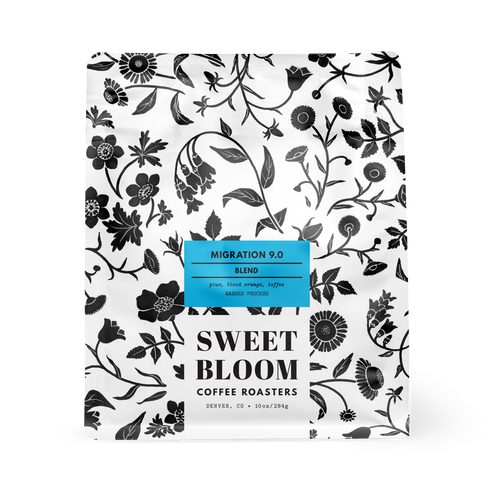
Migration 9.0
Blend
plum, blood orange, toffeewashed process
Migration is back and ready for some delicious cold brew - or drip, or espresso.
Experience
Roast Level

Producers in Kenya and Ethiopia
PRODUCER

varied
Elevation
Brew It

ORIGAMI AIR
RATIO 1:17.5
COFFEE 17.5g
WATER 305g
T.D.S 1.35%
GRIND 1200 microns

Espresso
COFFEE IN 17.5g
ESPRESSO OUT 38g
BREW TIME 25-27s
Transparency
“Spot” is coffee in an importer’s inventory they have not sold. When we need to fill gaps in our contractual and relationship purchases, we buy spot. Of course, we are always open to spot becoming relationship purchases, and sometimes they do.
Most of our purchases are contractual, meaning we have made a commitment to purchase the coffee before it arrives in the US. In general contracts are meant to build security for the producer and importer, and to help us make sure we have the coffee we need to share with you.
We are proud of the fact that many of the coffees we purchase are repeat purchases, and have been for years. Most producers, especially from Central and South America, can count on us purchasing their coffee year after year.
We’ve met, and have an ongoing relationship with the producer. At a minimum, they have visited us at Sweet Bloom, or we have visited them on the farm. As the relationship deepens, we build our understanding of:
1) challenges faced from one year to the next
2) sustainability practices on the farm
3) how the farmer is caring for their staff
4) ways in which we can support projects the farmers have implemented on the farm and in the community
More coffees
Shop All